
When I was a young girl, I suffered from severe dysmenorrhea—what most would simply call menstrual cramps. Now before you say TMI, hear me out. Every month brought with it a level of pain that was not just uncomfortable—it was incapacitating. For at least 24 hours, I would be completely sidelined. It was relentless, and it followed me for nearly 20 years. I tried everything—remedies, exercises, treatments—but nothing truly worked. And yet… even in that suffering, there were moments—unexpected ones—that softened the experience. I remember sitting in my college lounge between classes, hoping I could somehow make it to the next one. I must have looked as bad as I felt, because a very handsome student approached me and gently asked if I was okay. I told him I wasn’t feeling well. Without hesitation, he offered a simple solution, if I held one of his books while he went to class, he would come back and drive me home. At that point, I could barely move, I told him I lived all the way across Brooklyn, thinking that would end the conversation, but it didn’t. He smiled, as if distance meant nothing, and said it was no problem, and it wasn’t. He returned, just as he promised, helped me to his little green Fiat convertible, and drove me home. That small act of kindness turned into something more—we dated for quite some time. My parents adored him… which, if I’m being honest, may have been one of the reasons I did not. Oh, but then, I do digress. For the most part, I continued to suffer month after month—until years later, when I gave birth. With that miracle came an unexpected gift: the pain that had defined so much of my young life simply… ended. At last,I was pain free.
There have been many teachings—religious and philosophical—that frame suffering as part of the human journey. Christianity speaks of redemptive suffering. Buddhism teaches that we must understand our own pain before we can help ease the suffering of others. But here is the question I began to ask: Is it necessary to suffer forever? Is it noble to remain in mourning for a lifetime? What are we truly meant to learn from pain? And at what point do we allow ourselves to live again?
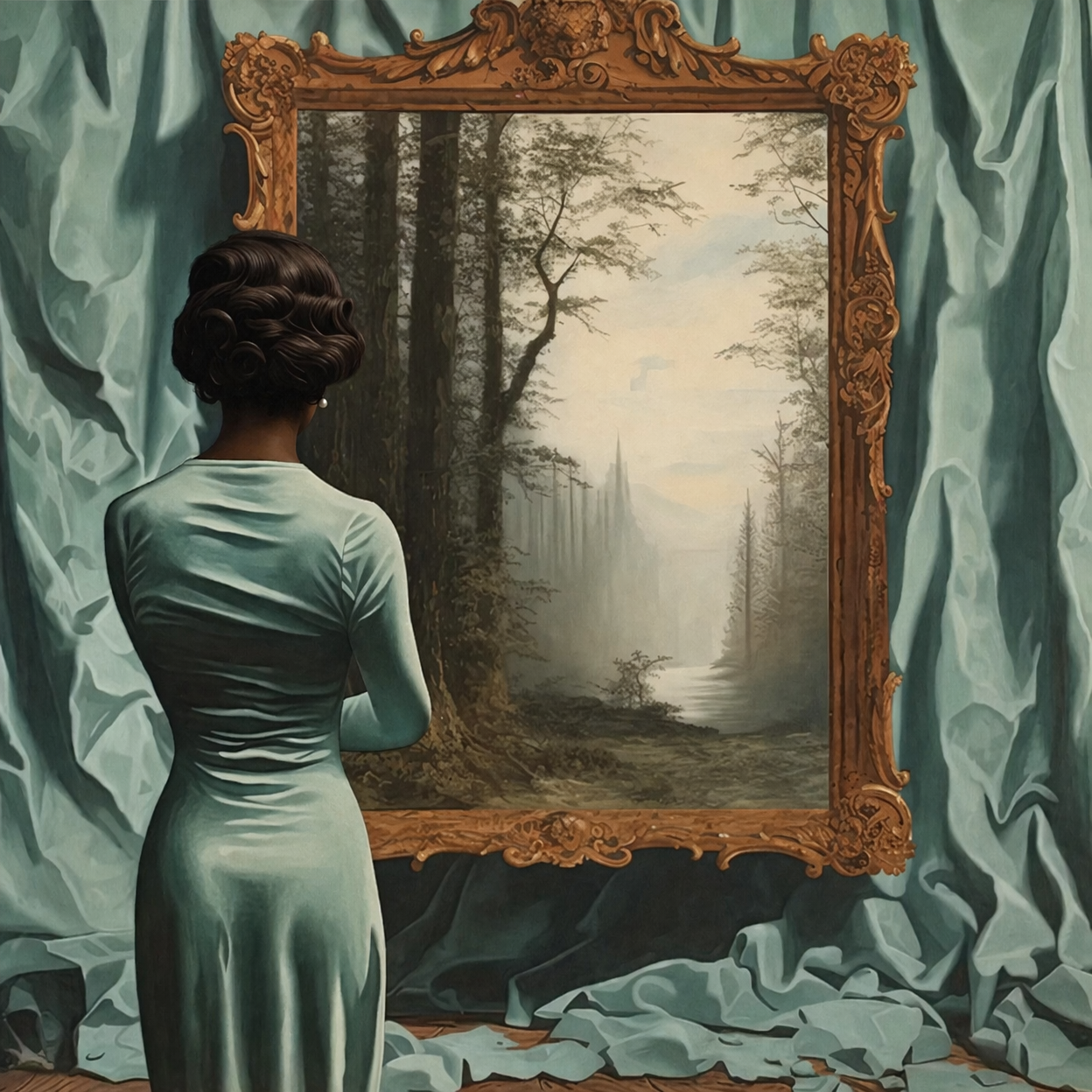
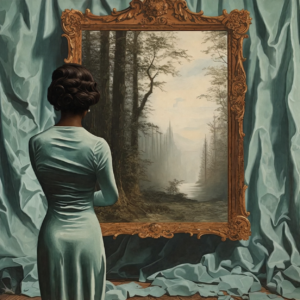
When I lost my husband, the grief felt endless. It consumed me and became what I believed was my new normal. In those moments, it felt as though no one could possibly understand the depth of that pain. Of course, I now know that wasn’t true. But when you are in it—truly in it—it feels like being lost in a dense forest. You cannot see the path; you go around in circles; you grow exhausted. And eventually… you may stop moving altogether. Thus you remain, frozen in the pain.

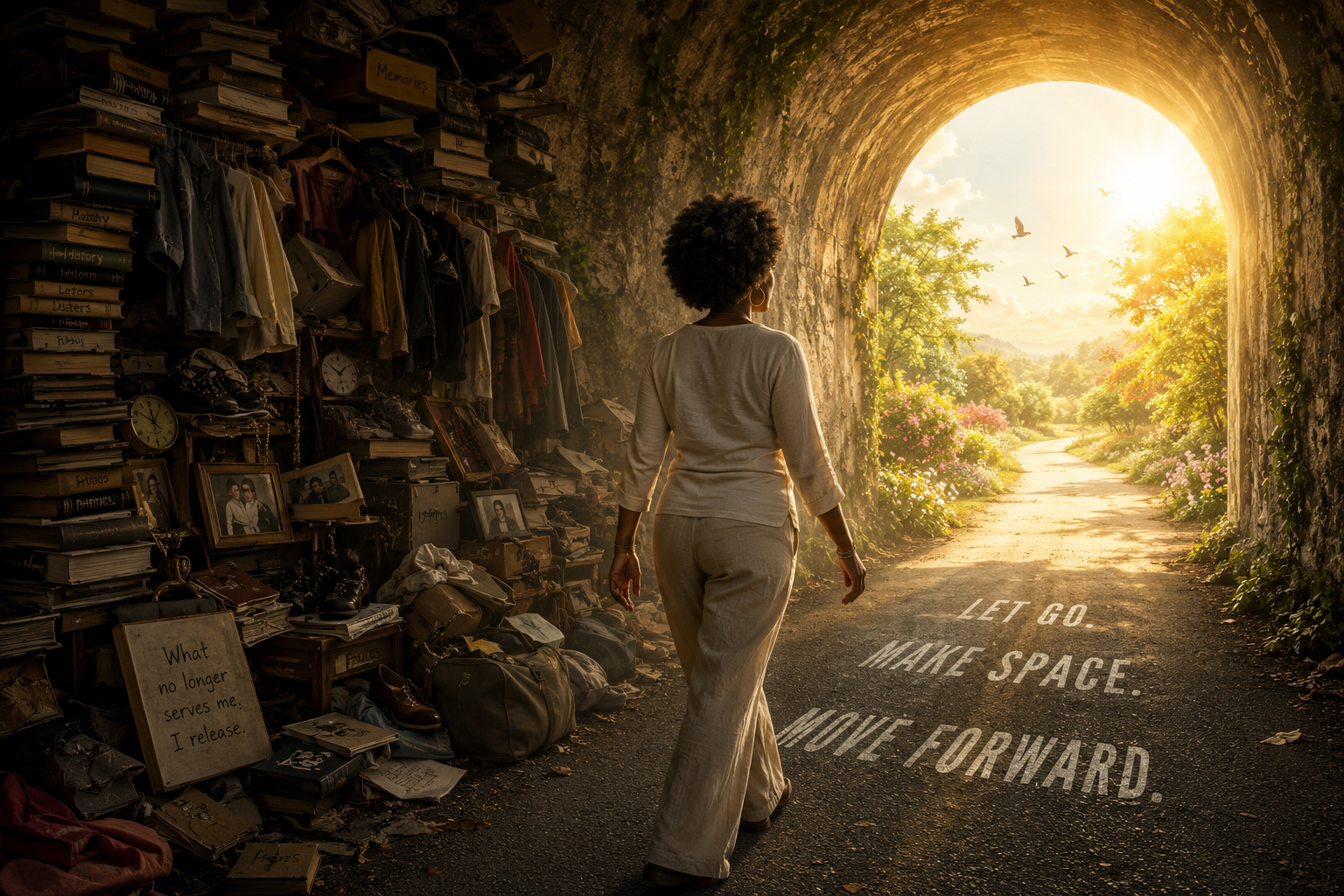
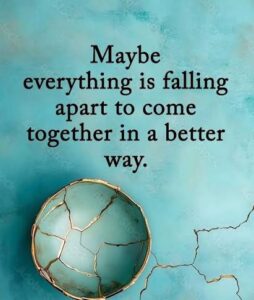
But I have since learned this: God never intended for us to live in suffering. We are given free will, choice, the ability to move past the pain—even when it feels impossible. At some point, we must decide whether we will remain on that hamster wheel, or begin, slowly, to make our way toward the light. Life will always bring pain and that is unavoidable. But a lifetime of suffering? That is not the assignment. We cannot help others if we ourselves remain broken. We have to do the work of becoming whole. And guess what? That work is not a betrayal of the ones we’ve lost. Many people hold tightly to their grief because they believe releasing it means letting go of the person they loved. But I’ve got good news for you, it doesn’t. But grief can become familiar, even comforting in a way. It becomes a shadow that follows us—so constant that we begin to mistake it for who we are. And yet… we are not our suffering. We are not meant to carry it forever.
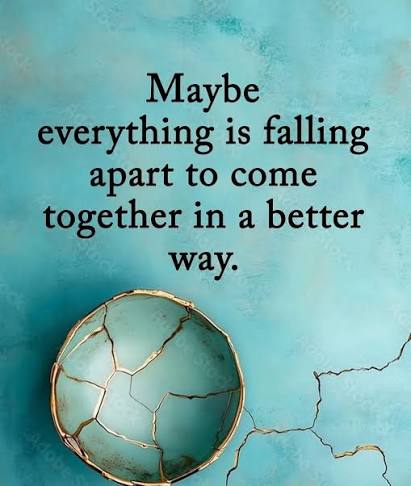
At some point, we must face everything we’ve gathered along the way—loss, regret, anger, heartbreak—and make a decision: Will I stay here… or will I choose something new? While we may not control what happens to us, we do have a say in what we do next. Yes, there can be something to gain from suffering. It can deepen us, strengthen us and even prepare us to help others, but only if we move through it and not if we live in it.
Letting go of long-term suffering doesn’t happen by accident. It requires intention, support and therapy. You must have a willingness to feel what hurts—fully—so that healing can begin. This goes not only for those who grieve but for living life in general.
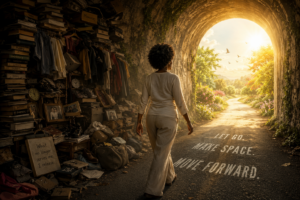
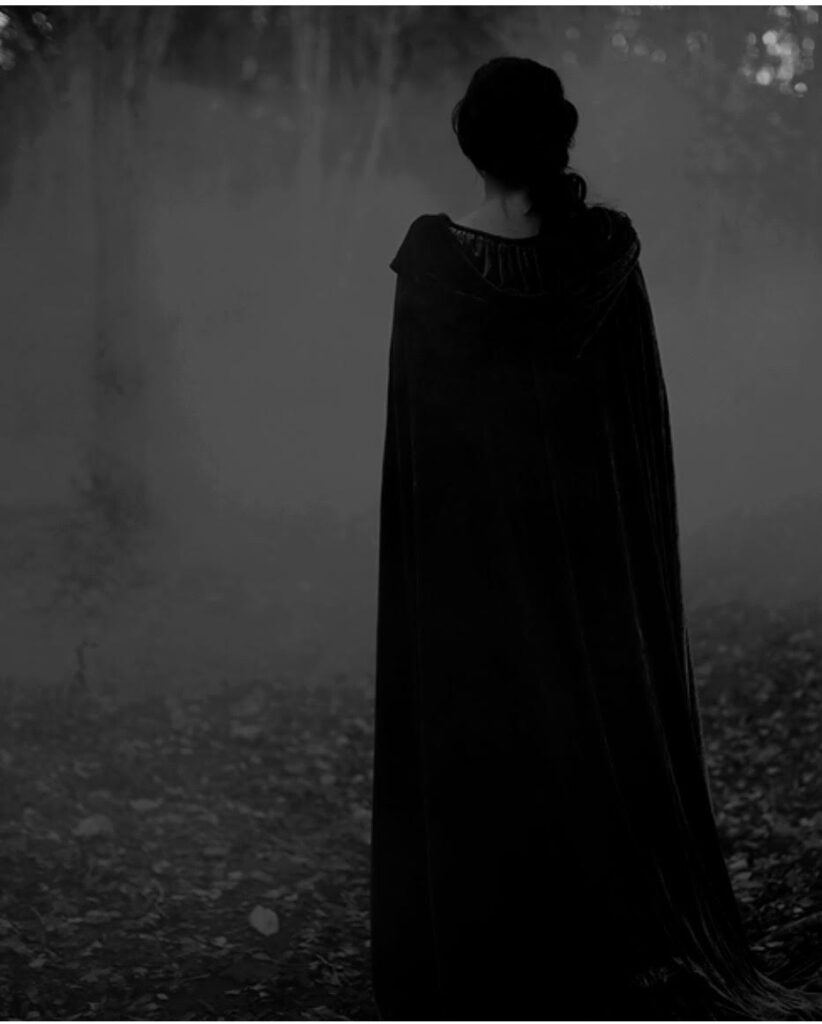
We must be willing to lay down the mourning cloak, not to forget… but to live. I truly believe that we are the masters of our fate and the captains of our souls. And sometimes, what feels like the end of us… is actually the beginning. My physical suffering ended with birth, and perhaps the metaphor is that in order to release pain, something new must be brought forth. Something must be born. There must be a new way of being, a new relationship with life, a new understanding of who we are in the present time. If we commit to the work—if we allow ourselves to heal—we may discover something unexpected on the other side of grief: our purpose. Your purpose,by the way, is not necessarily your job,your career. We all have a specific reason we’re here. Some never discover what it is.
I did.

This too is how we bloom.
You can follow me on Instagram https://www.instagram.com/thebloomingwidow/
You can like my Author’s page: https://www.facebook.com/YvonneBroadyAuthor/
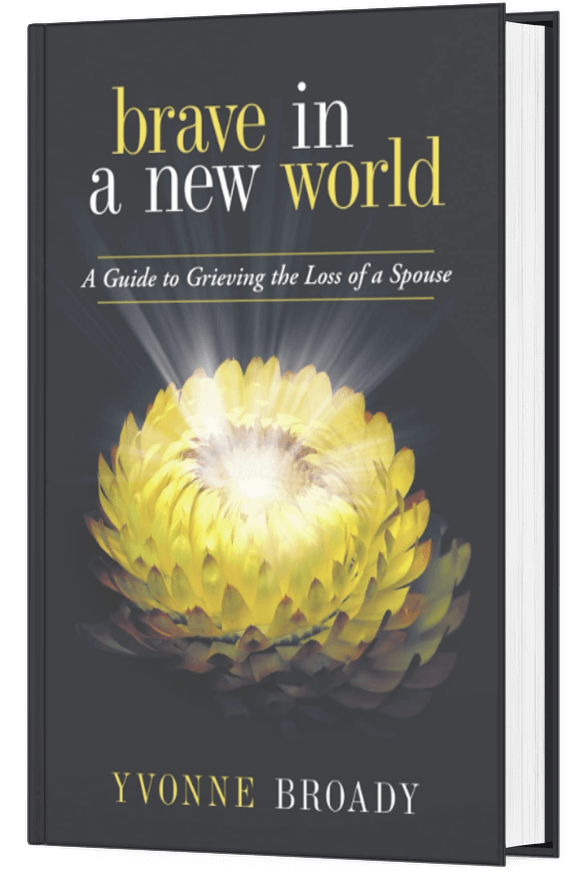
You can purchase my book Brave in a New World: A Guide to Grieving the Loss of a Spouse on Amazon https://tinyurl.com/3s2d854z