


Anticipating my first Christmas without my husband filled me with anxiety and a sadness I could hardly put into words. Christmas had always been such a special time for us, filled with familiar traditions, laughter, family, and the simple joy of being together. But that year, everything was different. My husband Chuck was gone, and I was facing a holiday that would never quite be the same. I remember Christmas Eve vividly. I was running last-minute errands, trying to maintain some semblance of the holiday traditions we had shared. One of my final stops was my local Magnolia Bakery, where I had gone to pick up a cake. Chuck loved cake and sweets, and bringing home something delicious from Magnolia had become one of our holiday traditions. My son and his girlfriend were coming to pick me up, and as I waited outside the bakery, a light snow began to fall.

I sat there watching the Christmas Eve hustle and bustle. Couples walked arm in arm, carrying shopping bags and packages, hurrying to their destinations. Everyone seemed caught up in the excitement and anticipation of Christmas. Then suddenly,out of the blue,I began to cry. Not loudly, not dramatically,but a quiet, uncontrollable stream of tears.
As the snowflakes settled on my cheeks, my tears rolled down my face and seemed to freeze against my skin. I sat there watching the world go by, wondering how everyone could continue with their lives as though nothing had happened. I wanted to shout, “Hey! How can you people keep going on with your lives when my husband is no longer here?”Didn’t they know? Couldn’t they see that my world had changed forever? Of course, they couldn’t. They were simply living their lives, celebrating the holiday, while I was trying to understand how I was supposed to celebrate mine without the man I loved.
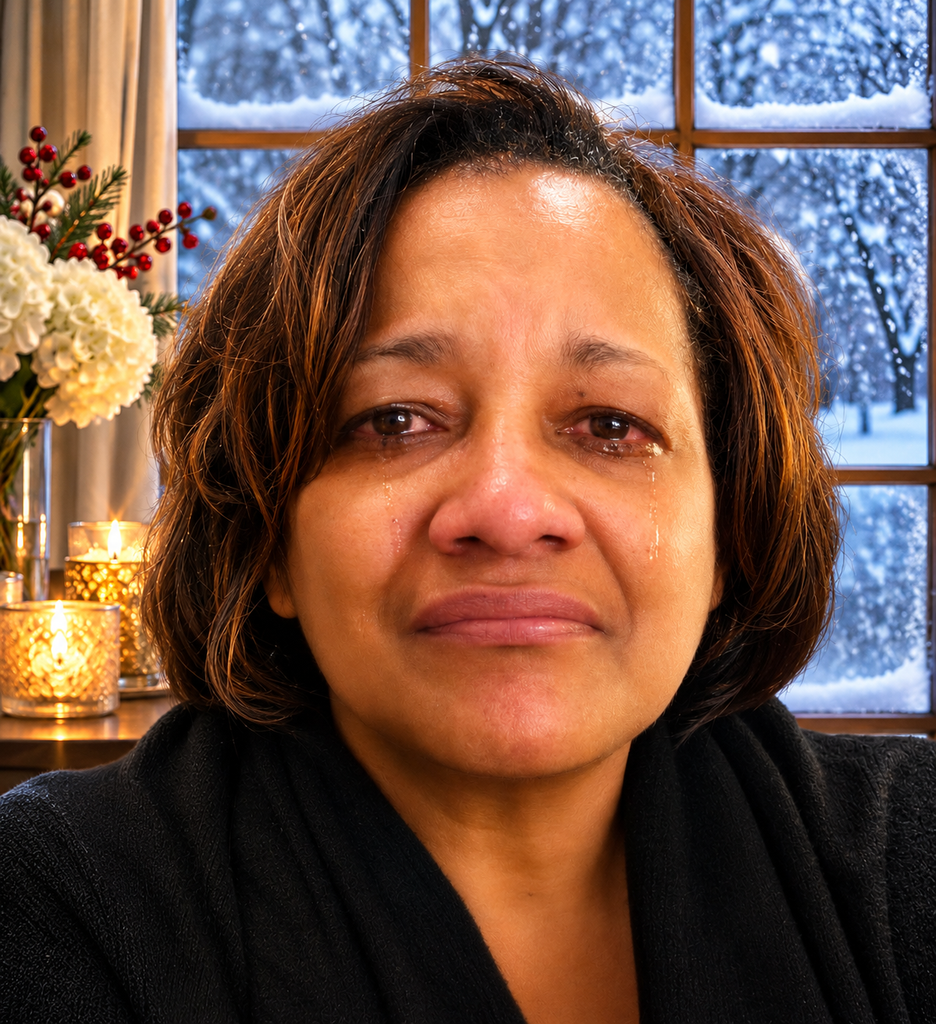
I missed Chuck terribly. I thought about how much he loved Christmas, how much joy the season brought him, and how painfully obvious his absence would be the following day. Eventually, my son arrived, and I went home. I put the finishing touches on Christmas dinner, all the while weeping. I cried until I finally fell into bed, silently wishing that Christmas Day would somehow whisk by in an instant.
That first Christmas was a small, quiet gathering. We prayed a prayer of hope and healing while openly acknowledging the tremendous loss our family had suffered. Little did I know that this simple act of remembrance would become part of a new holiday ritual, one that we would carry forward into the years that followed. As time went on, slowly, very slowly, the holidays began to change for me. The pain lessened, little by little. New traditions were born and celebrations eventually grew to include not only my immediate family but also the wonderful people who had become my family of friends. The holidays were no longer what they had once been, but in time, they became meaningful again.
The Season of Firsts
The first holidays following the death of a spouse or loved one are often referred to as the firsts, an expression I first heard after my father’s death. A few months after he passed away, I mentioned to a couple that I was approaching my first Thanksgiving without my dad. The wife looked at me and said, “Oh, you’re about to experience the firsts.” Those words stayed with me.
The first Thanksgiving, the first Christmas, the first birthday, anniversary, or family celebration. Even the seemingly insignificant occasions suddenly take on a different meaning because someone who had always been there is now missing. After Chuck died, I had to face an entire calendar of occasions we had once celebrated together. There would also be new milestones, new experiences, and new chapters of life that he would never be a part of. Over time, while I have learned to celebrate many of these occasions with family and friends, there are still moments when a pang of sorrow appears unexpectedly. It might come in the form of a familiar song, a certain fragrance, a favorite holiday dish, a memory that suddenly surfaces. I would learn that grief has a way of arriving without an invitation. It comes in waves, sometimes gently, sometimes with enough force to take your breath away. But over time, we begin to recognize those waves and learn how to navigate them. This then becomes part of what I like to refer to as our new normal.
For the newly bereaved, the approach of the holiday season can bring tremendous anxiety and trepidation. Thanksgiving and Christmas may loom in the distance like monsters waiting to be confronted. I know that feeling because I lived it. But I also learned something important: we do not have to approach the holidays the same way we did before our loss. We are allowed to change, to adjust, and to create a different experience for ourselves.
Finding Your Way Through the Holidays
There is no magic formula for navigating grief during the holidays. What comforts one person may not comfort another. What feels manageable one year may feel overwhelming the next. However, there are ways to make the season a little less difficult.
1. Don’t Be So Hard on Yourself
First and foremost, recognize that the holidays will be never be the same as before,You may not have the energy, enthusiasm, or emotional capacity to do everything you once did. And that is perfectly all right. If you are hosting a holiday gathering, ask family and friends to pitch in. Let someone else prepare a dish, decorate the table, or handle the shopping. You may be accustomed to doing certain things with your spouse, and now those responsibilities fall entirely on you. But the good news isyou don’t have to prove that you can do it all. Give yourself permission to accept help, to simplify, and to let some things go.
2. Participate, but Honor Your Feelings
Being surrounded by family and friends can provide comfort, and I encourage you to participate in holiday activities when you feel able. However, don’t feel obligated to remain in the middle of the festivities when your emotions begin to overwhelm you. Find a quiet room, take a short walk. Step away from the noise and give yourself a moment to breathe. Remember grief comes in waves and that a familiar song, a passing comment, or the sight of an empty chair may suddenly trigger an emotional response. If you’re visiting someone and decide that you’ve had enough, it’s perfectly acceptable to leave early. If someone insists that you stay, thank them graciously, wish them well, and leave anyway. Remember, you are responsible for protecting your emotional well-being, not for managing everyone else’s expectations. Follow your heart, respect your feelings, and move through the day at your own pace.
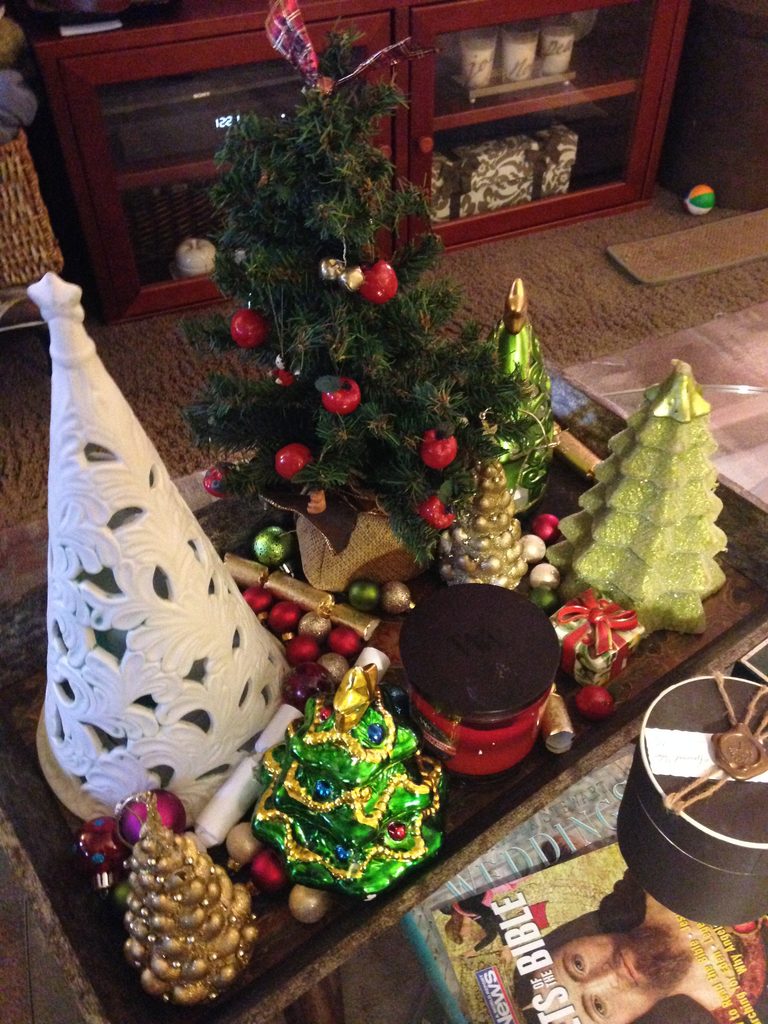
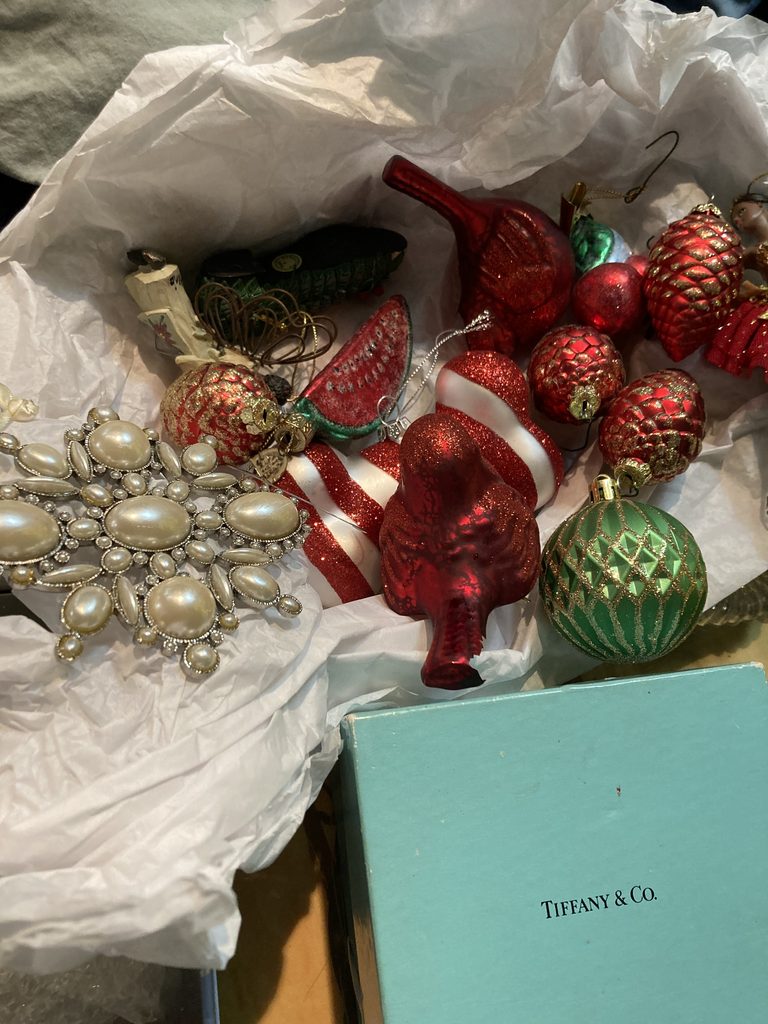
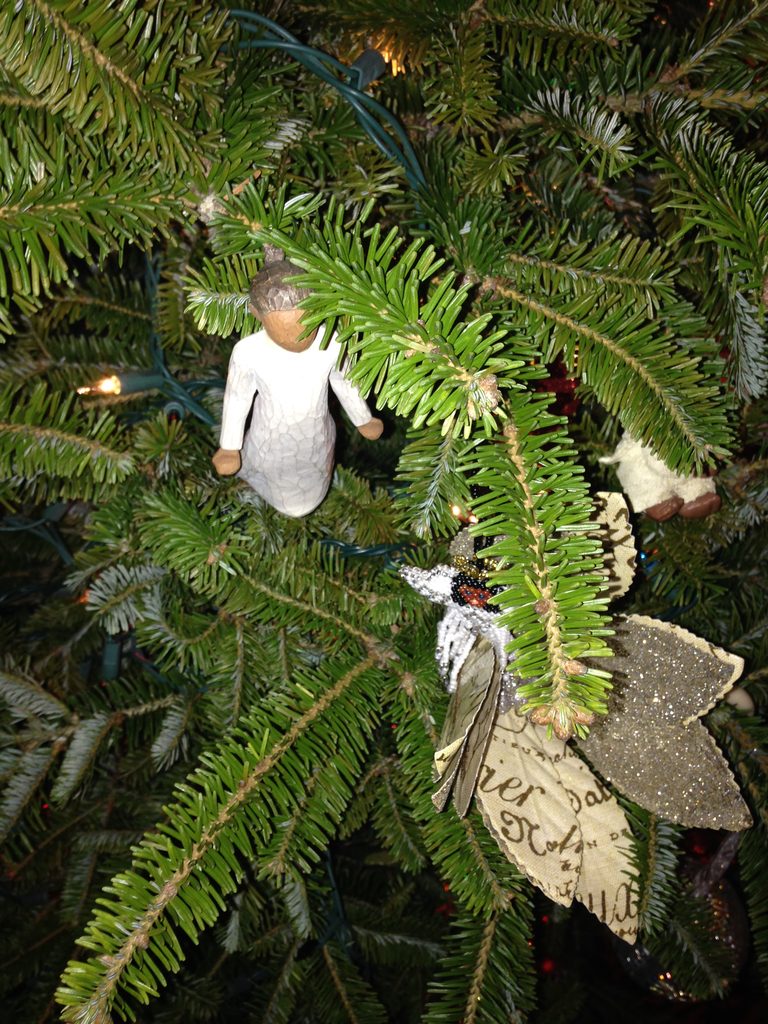
3. Give Yourself Permission to Change Traditions
Some traditions may bring comfort because they keep us connected to cherished memories. Others may be painful reminders of what we have lost. Here’s more good news…you now get to decide which ones to keep. Perhaps you’ll continue preparing your spouse’s favorite holiday dish or maybe not. Perhaps you’ll decorate differently, celebrate in another location, or begin an entirely new ritual. For my family, acknowledging Chuck’s absence through prayer became a meaningful part of our Christmas celebration. It was never about dwelling on sadness. It was about recognizing that someone we loved deeply would always have a place in our hearts and in our family. New traditions do not erase old memories, they simply make room for life as it is now.
4. Scale Down Your Holiday Commitments
The holiday season can become exhausting even under the best circumstances. When you’re grieving, the endless invitations, gatherings, shopping, and celebrations can feel particularly overwhelming. Choose carefully how you spend your time. You don’t have to attend every party, accept every invitation, or participate in every family activity. Perhaps New Year’s Eve, with all its excitement and expectations, is simply too much this year. Stay home, relax and a quiet evening. A New Year’s Day brunch or a small gathering with friends might feel far more manageable. There is no requirement that your holiday calendar be filled to capacity. Sometimes, less really is more.
5. It’s All Right to Sit This Year Out
If your loss is recent and the thought of participating in your usual holiday celebrations feels unbearable, give yourself permission to sit this one out. Let those closest to you know your plans so they won’t worry, and think ahead about how you’d like to spend the day. You might go to a movie, enjoy a favorite television series, read a good book, or treat yourself to a relaxing spa day at home.Perhaps you’ll visit your loved one’s gravesite or spend some quiet time reflecting on your memories together. Whatever you decide, make the day your own. Remember, choosing solitude and becoming isolated are not necessarily the same thing. Even if you prefer a quiet holiday, consider arranging a telephone call or a brief visit with someone who cares about you. You can spend the day alone without feeling that you must carry your grief entirely by yourself.
6. Set Boundaries Without Feeling Guilty
Sometimes the greatest challenge during the holidays isn’t the celebration itself. It’s the expectations of other people. Well-meaning friends and relatives may insist that you need to get out more, cheer up, or stop dwelling on your loss. They may tell you that your loved one wouldn’t want you to be sad. Although their intentions may be good, their words can make an already difficult season even more painful. You do not have to defend your grief, and you can politely explain that you’re doing what feels best for you at this particular time. Remember, grief does not operate according to someone else’s timetable. You are allowed to say no without offering a lengthy explanation.
7. Find Meaningful Ways to Remember Your Loved One One of the most comforting things we can do is find ways to include the memory of our loved one in the holiday season. Light a candle, share a favorite story, play a special song, prepare a beloved recipe, or place a photograph somewhere meaningful. Invite family members to share their memories, too. Sometimes we hesitate to mention the person who has died because we’re afraid of making others sad, but often, the opposite is true. Speaking their name and remembering their life can bring tremendous comfort.It is important to note that our loved ones were part of our celebrations, our traditions, and our history, thus their absence does not mean that their memory must be absent as well.
8. Consider Giving Back to Others
There may come a time when you feel ready to reach beyond your own grief and offer something meaningful to someone else. Perhaps you’ll volunteer, donate to a charitable organization, prepare a meal for someone who is alone, or simply reach out to another person who is struggling. Helping others can bring a renewed sense of purpose during a season that may otherwise feel empty. This is not about distracting yourself from grief or pretending that your loss no longer matters. It is more about discovering that even in the midst of sorrow, we still have something valuable to give, and sometimes, in the simple act of giving, we receive a little healing ourselves.
The Holidays Will Never Be Quite the Same, but Neither Will You
Looking back on that first Christmas Eve outside Magnolia Bakery, I can still see myself sitting there in the falling snow, watching couples hurry past, feeling as though the entire world had continued moving while mine had come to a standstill. I remember those tears freezing on my cheeks. I remember wishing that Christmas would simply come and go. I remember wondering whether I would ever experience the joy of the holidays again. What I didn’t know then was that joy would eventually find its way back into my life. It didn’t happen all at once, and not without tears, and certainly not without moments when I would miss Chuck so deeply that it hurt.
Over the years, I have learned that healing does not mean forgetting nor does it mean that we stop missing the person we loved or that the holidays will ever be exactly as they once were. It means that we gradually learn to make room for both our sorrow and our joy. We learn that we can laugh again without feeling guilty and we can create new traditions without betraying old ones. We can embrace the people who are still with us while continuing to cherish the one who is gone. But perhaps most importantly, we discover that a meaningful life is still possible, even after a devastating loss.

So, if you are approaching your first holiday season without someone you love, I want you to remember something and that is you do not have to be strong every moment. You do not have to pretend that everything is fine and you certainly do not have to celebrate according to anyone else’s expectations. Cry if you need to, rest when you must, reminisce as often as you wish. And when a moment of happiness finds you, allow yourself to embrace it. I cannot promise that every holiday will be easier than the one before it. Grief is far too unpredictable for that. But I can tell you that, with time, the holidays can become something more than reminders of who is missing. They can become opportunities to honor the love that remains.
That woman sitting outside Magnolia Bakery could not imagine a Christmas without her husband. Today, I understand something she could not yet see and that is although the life we shared had ended, the love we shared had not. That love continues to accompany me into every Christmas, every new tradition, and every season of my life.We do not move forward because we have forgotten. We move forward because we have loved,and we carry something beautiful with us, even into the seasons we once feared we could never face. I learned that that love remains with us as we move our life forward into our next chapter and a life redux.

This too is how we bloom.🌸
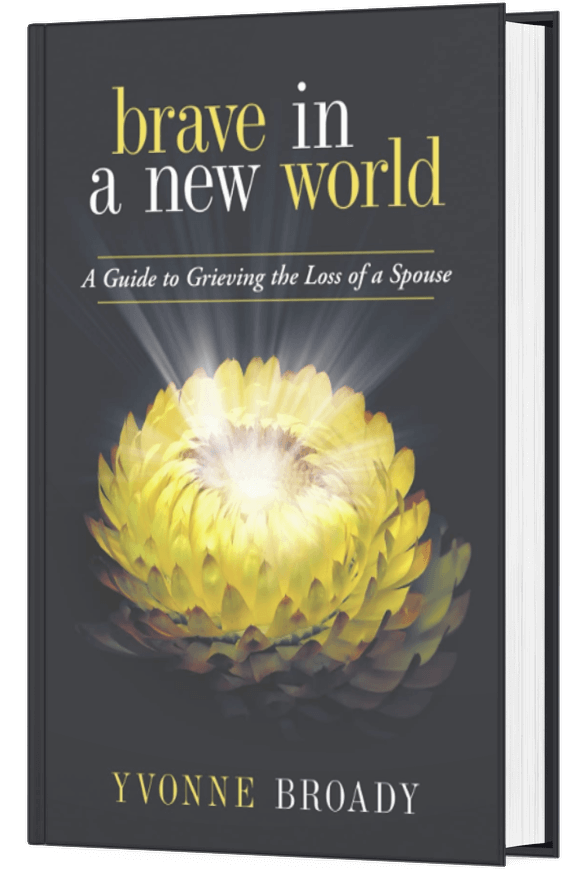
For more guidance on navigating life after the loss of a spouse, read my book, Brave in a New World: A Guide to Grieving the Loss of a Spouse, available on Amazon.
To find out more about how you can heal after loss read Brave in a New World: A Guide to Grieving the Loss of a Spouse available on Amazon http://tinyurl.com/jnjs5fu .
Follow me on Instagram at https://www.instagram.com/thebloomingwidow/
Follow me on Facebook at: https://www.facebook.com/YvonneBroadyAuthor
.
.
















3 Responses
Yvonne this is a truly beautifully written testimonial. I’m grateful that you’re able to share these most intimate feelings with us while hoping to help someone else heal. I’m still trying after the passing of my mom three years ago. I still find myself crying unexpectedly at random times. I don’t think the whole in my heart will ever heal.
Beverly thank you for your beautiful words.I know that the loss of your mom has been so tough,I can only imagine.These are the great losses that transform us.The love for and from your beautiful mother continues beyond death, and as time goes on the pain will continue to soften and the memories will bring comfort.
Yvonne, your words are so true. Thanks for sharing and being an inspiration ?