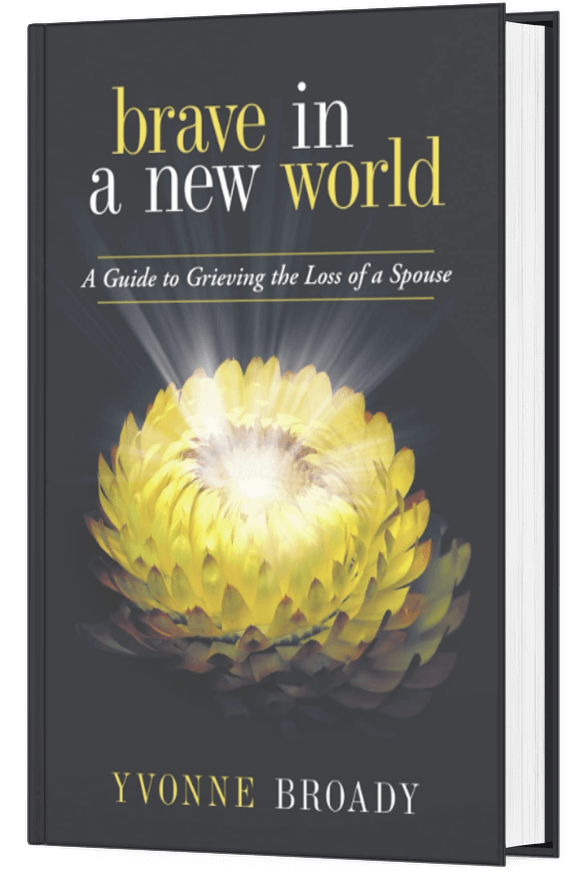


I often write about the aftermath of grief. It was my own personal experience that inspired me to write Brave in a New World: A Guide to Grieving the Loss of a Spouse. It has been seventeen years since my husband passed, and from time to time, I find myself thinking about those early days after his death. I remember believing that the state of grief I was in was where I would remain forever.
Shared stories of loss, along with recent experiences of losing friends and family—which seem to occur more frequently these days—have a way of stirring those memories. They bring me back to that time, along with the feelings that accompanied it.
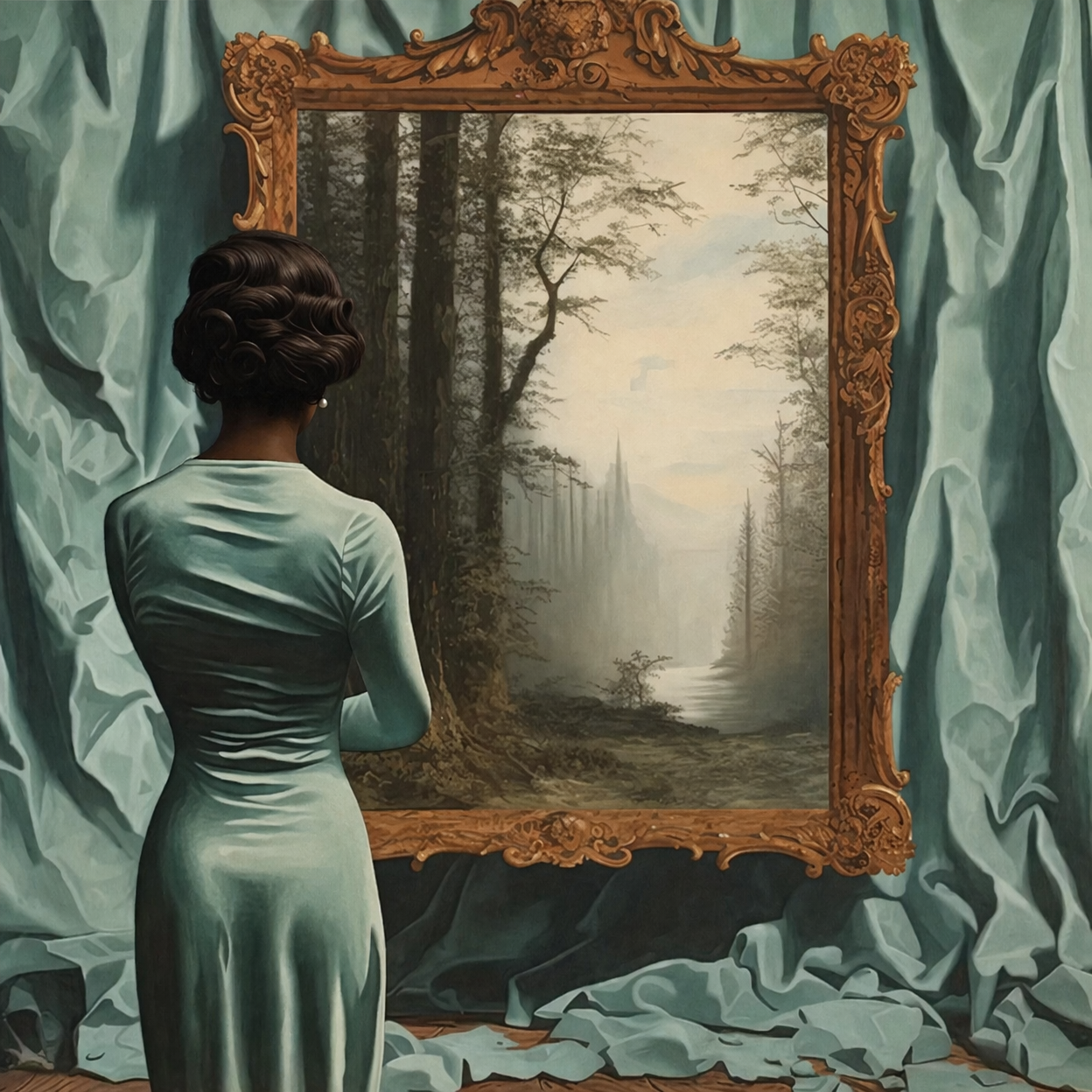
I remember those cold, gray, hollow days following the death of my husband, Chuck. The winter seemed to mirror my emotional state, as if even the sky was grieving alongside me. I wandered through my days in a daze, walking in circles, unsure of what to do next. It felt like being trapped in a maze.
I would wake in the middle of the night, searching for Chuck—for comfort, for answers—for some way out of the nightmare I was living. I would wander aimlessly through the house, sometimes sitting in his favorite leather recliner, both hoping for and fearing a sign of his presence.Eventually, I would exhaust myself and fall back to sleep—the only escape from the new, unfamiliar, and unbearable world I had entered. This became my ritual, night after night, day after day.

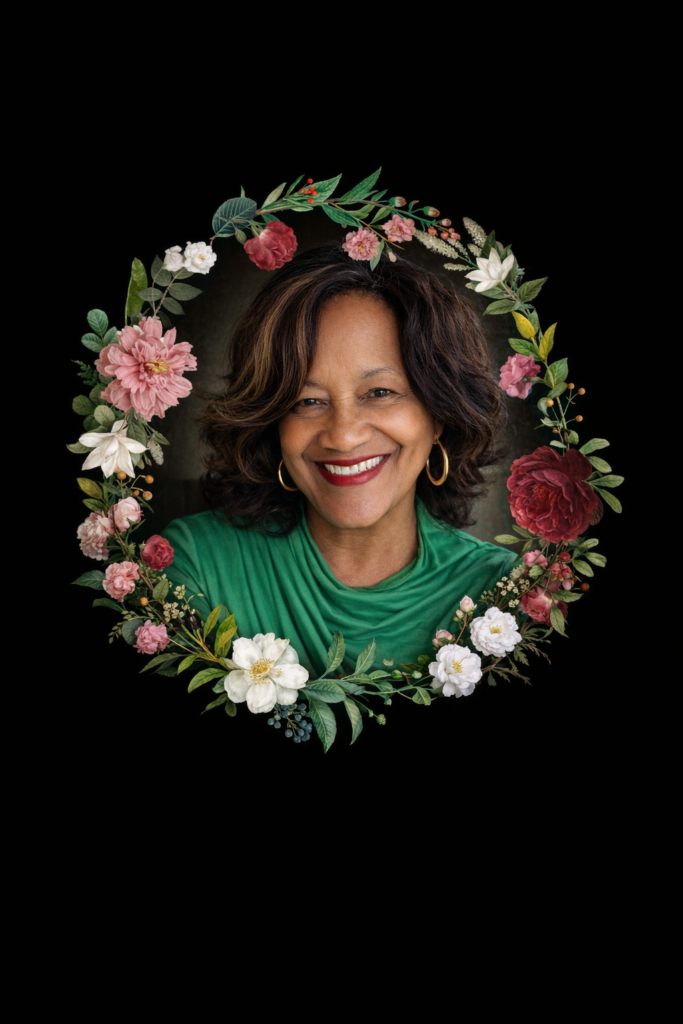
I could no longer see color or beauty. I could no longer laugh—the happy one, the funny girl—now lost in tears and sorrow. Even flowers, which once brought me joy, now caused me pain. They reminded me that Chuck could no longer share in the beauty of the world.
My husband used to bring me flowers often, just because. Now, the many arrangements lining my living room, accompanied by cards of sympathy, only deepened my sadness. In those early days, my son came to stay with me every Wednesday. I welcomed his visits more than he could ever know. His presence offered a brief reprieve from the loneliness of my new reality. Even if he could not fully understand the depth of my sorrow, simply having someone there made a difference.

Each day felt the same—the tears, the anger, the aimlessness, the anxiety. I was certain this was now my life. I was lost in a maze with no way out. I know people called and stopped by, but time has blurred many of those moments. What remains most vivid is the overwhelming loneliness. I carried questions that had no answers, layered with anger at the way my husband had been taken from this life—suddenly, without warning, without apology. And so life continued, day after day.
Then, after many months, something shifted. One day I realized that things were beginning to change. I noticed that I no longer had anyone else to consider but myself. Nothing was as it had been. My son, now balancing work and school, needed his time, and we agreed that he no longer needed to come and “mommy-sit.” Surprisingly, this shift helped me begin to adjust to being fully on my own.I found myself at the edge of something new. That realization marked the beginning of a slow transition. I began to close the door on my old life and cautiously step into the one that had been placed before me.

As I settled into my aloneness, I began to notice the small but significant changes. I no longer needed to hang two sets of towels in the bathroom, our monogram still visible. I no longer set two places at the dinner table. And over time, I came to understand that I didn’t need to hold on to every one of Chuck’s belongings. The truth was undeniable—he was gone, and he was not coming back.Each realization brought tears. Each one carried its own quiet pain. But slowly, I began to adjust to my new normal. I started making changes in my home that reflected my tastes and my needs. At first, it felt unfamiliar. I had been so accustomed to sharing decisions, to seeking Chuck’s thoughts, to having someone to talk things through with. But gradually, I began to understand something important, I could now choose for myself. I was writing a new chapter. There was no joy in this realization at first—only a quiet determination to move forward, to live this new life, to do what I could, and most importantly, to survive.
When you lose a spouse, your world comes to a sudden halt. You look around, and there is silence—only faint echoes of a life that once was, now gone. You may feel despair, anxiety, even fear. You may not recognize yourself or the emotions you are experiencing. But here is the truth. You are not meant to remain the same.The shift that takes place after loss is part of the journey. The challenge is to move through it—to feel it fully, to walk through the maze of grief, again and again, until you begin to find your way.It is a process. And having lived through it, I can say this: a new life does await you. It may not be the life you once imagined. It may not even feel better at first, but it will be yours.
You will become the author of your new beginning. You will make choices that carry you forward. And over time, you will come to see that the essence of your loved one does not disappear—it becomes part of a new foundation. A foundation that strengthens you, that supports you, that helps guide you out of the maze. Finally, little by little, as the shift takes hold, you will find yourself stepping into your new beginning.

Reminder: You will find your way through the maze
𝑩𝒍𝒐𝒐𝒎𝒊𝒏𝒈, 𝒂𝒍𝒘𝒂𝒚𝒔. 🌿
You can follow me on Instagram https://www.instagram.com/thebloomingwidow/
You can like my Author’s page: https://www.facebook.com/YvonneBroadyAuthor/
You can purchase my book Brave in a New World: A Guide to Grieving the Loss of a Spouse on Amazon https://tinyurl.com/3s2d854z