


One quiet afternoon, as the sun began to soften and the day slipped gently toward evening, I came home and settled into my usual routine. I made a simple dinner for one, watched a little television, took care of a few small tasks, and eventually went to bed. It wasn’t until the next morning that something remarkable dawned on me. I had gone the entire day without a single thought of my husband, Chuck. Since his death, Chuck had lived in every moment—every waking thought, every dream, every breath. His absence was constant and consuming. So realizing that a full day had passed without that familiar ache felt startling… almost surreal. And yet, it continued. I found myself at an art gallery, sitting in church, laughing over lunch with friends, living moments that were no longer weighed down by the constant awareness of missing him.

This stage of my grief journey was unexpected and arrived quietly, without announcement. The longing—the hollow feeling, the ache in the pit of my stomach that I once believed would never leave me—had slowly begun to loosen its grip. As I acclimated to my new normal, I realized something I never imagined possible: I could live without constantly feeling the absence of my husband. This shift didn’t happen overnight. But when it did, it felt like a release. I began to feel free—free to move forward into whatever life was going to look like for me now. I stopped searching for Chuck in passing faces or in my dreams. I had turned a corner in my grief, and that turn led me onto a new path—one where I was learning how to live alone, but not empty.
It felt as though a breath of fresh air had been infused into my soul. I didn’t even know I had been longing for that feeling. I wasn’t sure if it would last. But as I leaned into it, I understood that this was a watershed moment in my healing. And I also knew that this experience is not the same for everyone. Some widows and widowers hold tightly to the feeling of missing their spouse, fearing that letting it soften might somehow erase the love they shared—as if the memory itself might fade. I believe with all my heart that there is no right or wrong way to grieve. Each person must walk their own path, at their own pace, in the way that feels most authentic and safe for them. This is where the old saying time heals all wounds often gets misunderstood. Time alone does nothing. It’s what we choose to do with time that creates healing. For me, that meant saying yes—to new friendships, new invitations, new experiences. I surrounded myself with people who brought fresh ideas and energy into my life. Some were slightly younger, some simply more adventurous. They reminded me that curiosity, laughter, and even romance can still exist after profound loss. Slowly, hope began to re-enter my world.
I also learned deeply from my dear brother and friend, Bob Ellison, author of The First Snow: A Journal about a Man’s Faith-Based Journey Through Grief. After years of mourning his beloved wife, Lou, Bob reached a moment where loneliness gave way to readiness. He opened himself up to love again.
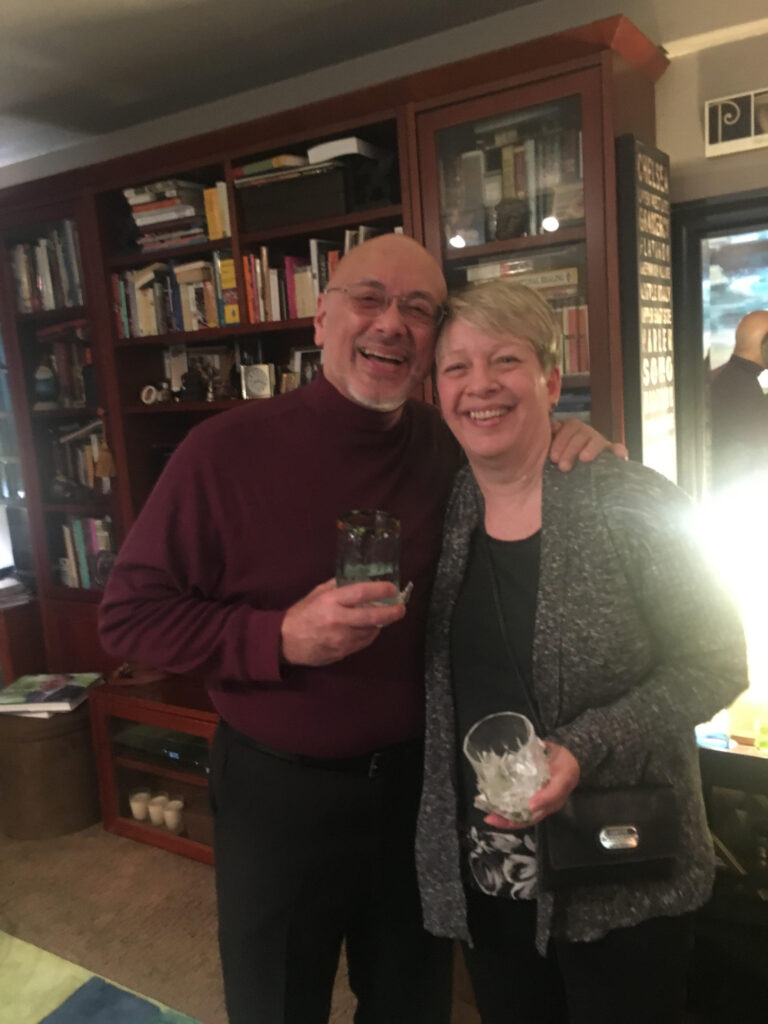
When Bob met Debbie, he was able to look back on the forty-plus years he shared with Lou as a complete and beautiful chapter—one he would always cherish, but not one that overshadowed the life he was now choosing to live. He understood that time was not promised. And so, he seized it.Bob’s journey wasn’t easy, and it isn’t a blueprint for everyone. But it was right for him. He gently closed the door on one chapter, allowing another to open—full of companionship, joy, and meaning .He was able to love again for 13 more years before he unexpectedly passed away. Bob grabbed an opportunity to start over and love again. His story reminds us that reaching this place often requires support: grief counseling, bereavement groups, journaling, or simply the courage to ask for help.
The memory of your loved one will never disappear, but the sharp, all-consuming pain can soften—if you allow it to. Living in constant suffering does not honor the love you shared. As you move through your grief, there may come a moment—quiet and unexpected—when you realize that you are no longer thinking about your spouse every minute of every day. Days may pass while you’re busy imagining a future, making plans, rediscovering yourself; in that realization, the veil of sorrow begins to lift. New feelings will gently replace loneliness and longing. Possibility will return. Your loved one will always remain a part of your story—your shadow grief—but no longer the force that keeps you from moving forward.
Remember life is not meant to be endured. It is meant to be lived.















2 Responses
This so accurately describes my journey when I lost the love of my life 46 years ago.
This is great insight on how we move forward. Being open to the future is key.